To scale technical manual translation effectively, companies should adopt a Translation Management System (TMS), implement translation memory and glossaries, give translators and reviewers one shared place to work, and reduce manual tasks. This ensures consistent, cost-effective translations as you expand into global markets.
Understanding the challenges of manual translation
You are a marketer in a small-to-medium manufacturing company, and global growth is your mission.
To support your sales teams, you’ve started translating technical manuals—or maybe industry regulations require translated documents to sell or export your products.
At this stage, you're likely familiar with the challenges of translating highly technical, design-heavy documents without compromising on accuracy. You may already follow best practices like:
- Planning documents for translation
- Formatting for efficiency
- Collaborating with subject matter experts for review
However, scaling these practices across more languages and higher document volumes introduces a new challenge: How do you create a scalable translation process?
Common bottlenecks in manual translation workflows
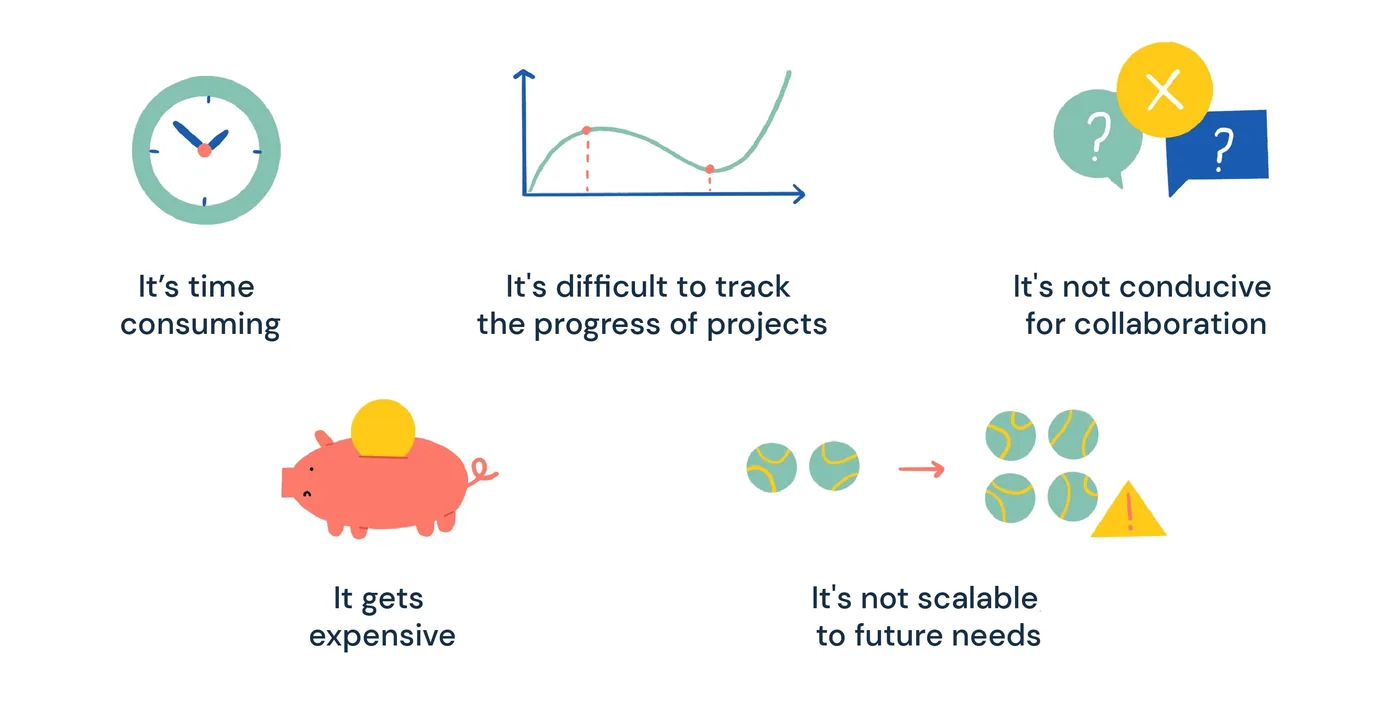
Manual processes might have worked initially, but as translation demands grow, you might find yourself asking:
- How do I go from translating one brochure per quarter to one per month?
- How do I support more languages without overloading my team?
- How do I maintain consistency across all translations?
- How do I scale without blowing the budget?
If these are your questions, this guide will help you implement best practices to scale your translation operations efficiently.
Strategies for efficient translation scaling
A scalable translation process isn't just about doing more—it's about doing things better, faster, and more sustainably.
What a scalable translation operation looks like
To scale successfully, your translation process should enable you to:
- Manage a high volume of projects and languages
- Apply quality checks across all content
- Reuse existing translations and approved terminology
- Involve the right people at the right time
- Eliminate repetitive manual tasks
Without a structured system, many manufacturers face:
- Human errors from copy-pasting
- Delays from dependency on individuals or vendors
- Inconsistent terminology across documents
To build an efficient, scalable translation process while minimizing manual tasks, many companies turn to a Translation Management System (TMS).
Using a Translation Management System (TMS)
A translation management platform is built to run translation projects at higher volume. Key benefits include:
- Automated text extraction for fast project setup
- Instant draft translations using AI or machine translation
- Translation memory to reuse past content
- Glossary enforcement for consistency
- Easy revisions with built-in formatting tools
- Collaboration tools so translators and reviewers work in one place
That said, not all TMS solutions are created equal. Choosing the right TMS depends on your unique needs.
For example:
- If your team is spread across multiple locations, a cloud-based solution may be more beneficial than installed software.
- If you work with external, full-time translators, they may already be familiar with a TMS and require minimal onboarding. However, if you rely on internal team members, look for tools that are easy to use for first-time TMS users.
- If you translate into many languages, ensure the tool can scale easily and quickly to meet your needs.
- If you frequently update documents, such as user guides, technical manuals, or brochures, choose a tool with revision management features.
The right tool should fit the way your team already works, simplify collaboration, and provide measurable benefits.
(Read our article on how to choose the right TMS for your business here.)

Collaborating with subject matter experts
Whether internal or external, your team of reviewers plays a vital role. Choose a TMS that:
- Is intuitive for non-translators
- Allows real-time collaboration
- Helps enforce consistent terminology use
- Supports multiple rounds of review without format headaches
Best practices for maintaining consistency and quality
To ensure your translation efforts remain scalable and high-quality:
- Use a centralized glossary to align translators and reviewers
- Maintain a translation memory for consistency across projects — not sure whether you need a glossary, a translation memory, or both? Here's the difference.
- Train stakeholders on basic translation processes
- Choose a TMS that preserves formatting and layout integrity
- Establish a feedback loop between marketers, translators, and subject matter experts
Conclusion: achieving scalable translation success
Scaling technical manual translation is more than producing higher output—it's about building a repeatable, tech-driven process.
By implementing a TMS like Redokun, you can:
- Accelerate market entry
- Cut translation costs
- Ensure regulatory compliance
- Retain full ownership of your translation assets
Case study: how Carlisle Fluid Technologies scaled their translation
Carlisle Fluid Technologies, a global leader in finishing and fluid handling solutions, faced major challenges with its manual translation process.
The Challenge:
Carlisle faced:
- Slow translation turnaround times delayed product launches
- Terminology inconsistencies across languages led to confusion
- High costs due to redundant translations of similar content
The Solution:
Adopting Redokun enabled them to:
- Reuse previous translations
- Standardize language across documents
- Work with translators and reviewers in one shared editor
The Results:
- 90% reduction in translation time
- $200,000 cost savings in one year
- Greater consistency across all translations
As a result, Carlisle Fluid Technologies simplified its technical documentation process while maintaining high translation standards.
(Read their full story here.)
Why Redokun is a preferred solution
Redokun is built to meet manufacturers’ needs. Here’s why:
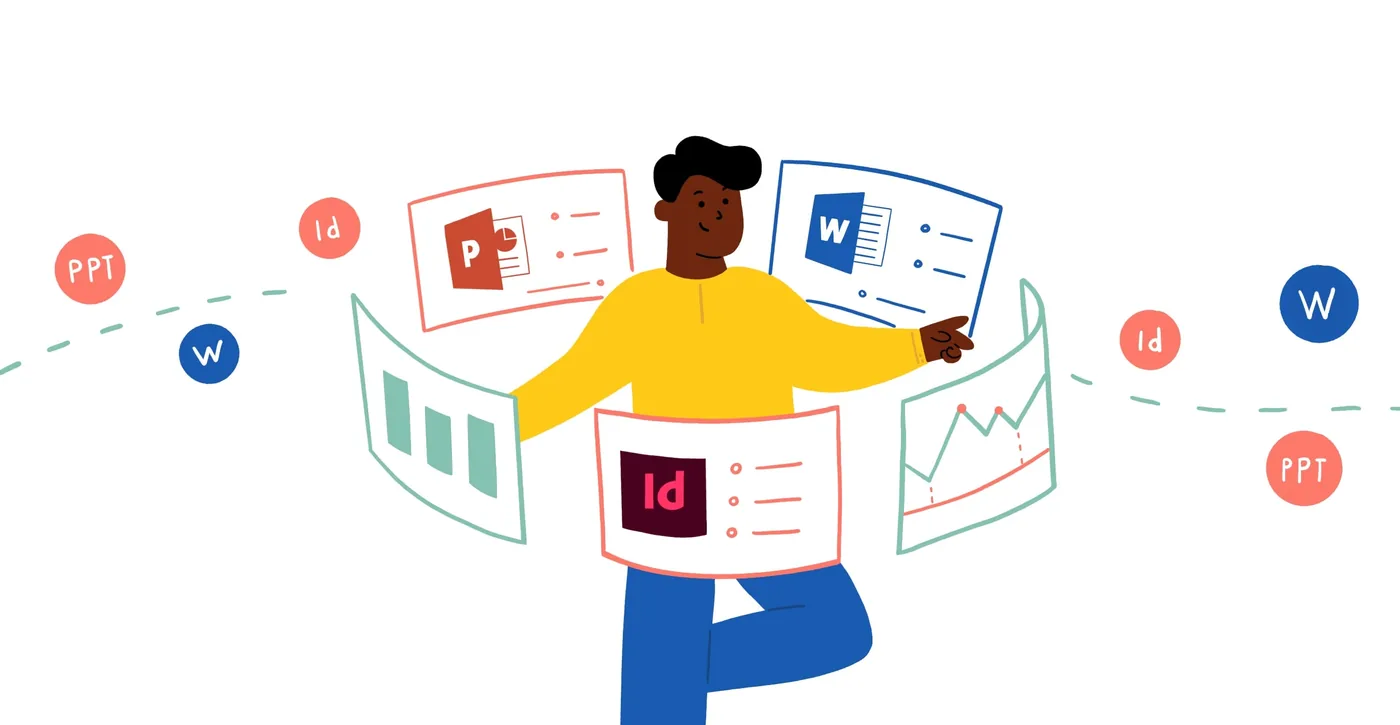
- Multi-format support: Translate InDesign, Word, Excel, PowerPoint without reformatting
- Glossary enforcement: Ensure accurate, consistent translations—even with AI
- Real-time collaboration: Simplify team communication and reviews
- Translation memory: Eliminate duplication and cut costs
- Asset ownership: Keep your memory and glossaries, even if your vendors change
By integrating Redokun into your workflow, you can eliminate manual inefficiencies and reduce translation costs while maintaining high quality.
The bottom line
Scaling technical manual translation requires more than just increasing output—it’s about creating a structured, technology-driven process that ensures quality, consistency, and efficiency.
A repeatable translation process helps you:
- Meet global regulatory requirements
- Improve product documentation consistency
- Enhance customer trust and satisfaction
- Drive business growth internationally
If you're ready to take the next step, explore tools and practices that simplify the process, save time, and deliver quality—at scale.
FAQs
What does it mean to "scale" technical manual translation?
Scaling means moving from an ad-hoc, manual translation process to a repeatable, tool-supported one — so you can handle more languages and higher document volumes without a proportional increase in cost, errors, or turnaround time.
How long does it take to scale a technical manual translation process?
It depends on your starting point, but most manufacturing teams see meaningful improvements within one to two translation cycles of adopting a TMS with translation memory and a glossary — Carlisle Fluid Technologies saw a 90% reduction in translation time within their first year.
Do I need a TMS to scale technical manual translation?
Not strictly, but without one you'll likely hit the same bottlenecks repeatedly: inconsistent terminology, copy-paste errors, and dependency on specific individuals or vendors. A TMS with translation memory and glossary enforcement is what makes scaling sustainable rather than just temporarily faster.