
Traduire dans des tableurs vs Redokun : quand passer à autre chose

Un tableur marche bien pour une petite liste de termes dans une ou deux langues. Quand tu copies tout un catalogue dans les lignes d'un tableur et que tu recolles 8 colonnes de langues dans InDesign, Redokun fait ce travail pour toi et garde tes traductions existantes.
Tu traduis quelques fois par an ? Project Pass : un projet, un prix.
Tu traduis régulièrement ? Le Workspace Plan.


Quand un tableur suffit, et quand il ne suffit pas
Le nombre de langues cibles avec lesquelles tu travailles, ta fréquence de traduction et les types de documents que tu produis vont déterminer ce qui te convient le mieux.
Un tableur suffit si tu :
Redokun est plus adapté si tu :
Redokun vs un flux de travail sur tableur : différences clés
Redokun
Flux de travail sur tableur
Extraire le texte du document
Importe le fichier. Le texte est extrait automatiquement
Copie chaque ligne de texte à la main dans une ligne du tableur
Remettre les traductions dans le document
Télécharge le fichier dans son format d'origine, avec la mise en page intacte
Colle chaque traduction dans la mise en page, une fois par langue
Plusieurs traducteurs en même temps

Un éditeur web partagé
Possible dans Google Sheets ou Excel en ligne
Terminologie cohérente
Un glossaire appliqué à chaque segment
Une liste séparée, vérifiée à la main
Réutilisation des traductions précédentes
La mémoire de traduction propose des correspondances automatiquement
Recherche manuelle dans les anciens fichiers
Un changement de spécification
Révisions rapides : seuls les segments nouveaux ou modifiés doivent être traduits
Trouve les lignes modifiées et mets à jour chaque colonne de langue
Traduction par IA
DeepL, Google Translate et ChatGPT intégrés
Colle le texte dans un outil d’IA séparé, puis recolle le résultat à sa place, ou utilise Copilot
Avancement dans les différentes langues
Tableau de bord par document et par langue

Compte les cellules vides
Coût
Project Pass pour des projets de traduction ponctuels à partir de 95 €, ou l'abonnement (Workspace Plan) à partir de 289 €/mois
Le logiciel est gratuit. Le coût, c'est ton temps
Là où le tableur a l'avantage : il est gratuit, tout le monde sait déjà l'utiliser et, pour une petite liste de chaînes, il est plus rapide à mettre en place que n'importe quel outil.
Redokun prend tout son sens quand tu bosses avec des documents très graphiques et que tu dois les traduire régulièrement dans plus de 3 langues. Voir tous les tarifs

Tes traductions sont dans des tableurs, mais pas le reste de ton flux de travail.
Le boulot se fait entre les deux.
Tu copies chaque ligne du catalogue dans une ligne du tableur pour tes traducteurs ou ton agence. Quand les traductions reviennent, tu les colles dans le document, une langue à la fois. Puis une spécification change : tu retrouves les bonnes lignes dans 8 colonnes et tu recommences.
Ça marche. Mais tu passes ton temps à déplacer du texte, pas à faire la traduction elle-même.
Et comme chaque projet a sa propre feuille de calcul, le même terme peut finir traduit de trois façons différentes.

Et si ta feuille de calcul devenait ta mémoire de traduction dans Redokun ?

Importe tes traductions existantes.

Importe ta terminologie.

Importe le document source lui-même.

Invite des traducteurs et lance la pré-traduction

Ce que Redokun fait à la place du copier-coller
Le texte est extrait de ton document sans que tu aies à le copier
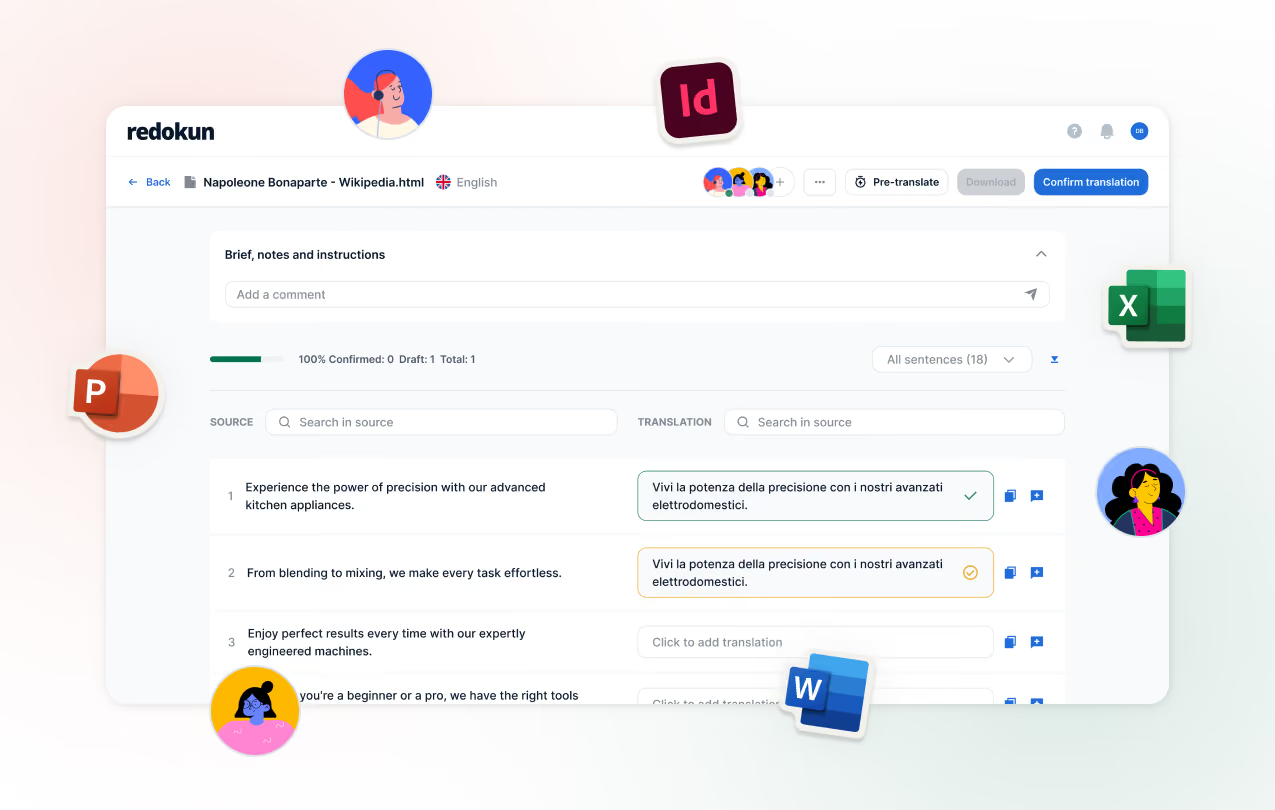
Importe ton fichier InDesign, Word, PowerPoint ou Excel. Redokun le découpe en segments pour tes traducteurs, en gardant chaque segment lié à sa place dans la mise en page.
Lance ta période d’essai gratuite de 14 jours dès aujourd’hui
La traduction est réintégrée sans avoir à coller
Télécharge un fichier finalisé pour chaque langue, avec le même design et la même mise en forme que ton original. Redokun est partenaire technologique d’Adobe, et les fichiers InDesign reviennent prêts pour une dernière vérification
Découvre comment fonctionne la mise en forme automatique des fichiers
Chaque traducteur utilise le même glossaire
Ajoute les noms de pièces, les termes de sécurité et le vocabulaire de ta marque une seule fois. Le glossaire s’applique à chaque segment et à chaque langue : un terme ne peut donc pas varier d’une feuille de calcul à l’autre.
Découvre comment fonctionne le glossaire
%20(1).png)


FAQ


Oui. Tu peux importer un fichier Excel de traductions existantes comme mémoire de traduction, et Redokun réutilise ces traductions quand tu fais une pré-traduction du document entier, avec l’IA.
Pour une petite liste de termes dans une ou deux langues, oui. Ça commence à prendre du temps quand tu copies du texte depuis un document mis en page, que tu recoles les traductions pour plusieurs langues, et que tu recommences à chaque changement du document.
Oui. Si ton contenu est une feuille de calcul, comme une liste de prix ou un tableau de spécifications, importe le fichier .xlsx et télécharge-le traduit dans le même format.
Une formule comme GOOGLETRANSLATE te donne une traduction automatique dans la cellule à côté de ton texte. Tu dois quand même y copier le texte et recoller le résultat dans ton document. Redokun travaille directement sur le document, applique ton glossaire et ta mémoire de traduction, et permet aux traducteurs de relire avant que tu télécharges le fichier final.
Non. Tu les invites par email, et ils traduisent directement dans le navigateur. Si un traducteur ou une agence préfère ses propres outils, tu peux exporter les phrases et réimporter leur travail.
Si tu as un seul document pour le moment, achète Project Pass et importe-le le jour même. Pour un usage continu, crée un compte gratuit et commence ton essai de 14 jours du Workspace Plan.